Nature & Wildlife
Mind of a Predator
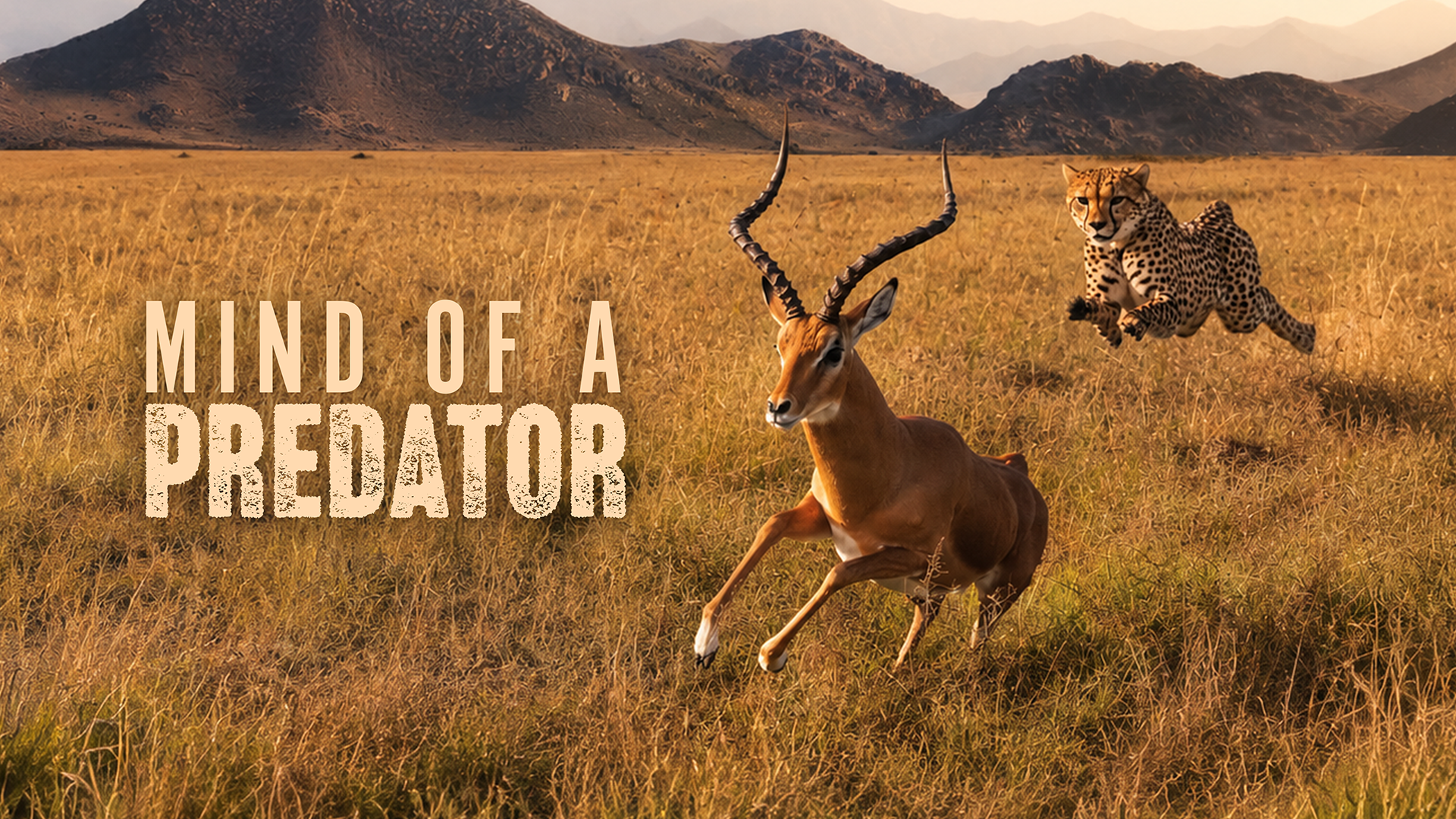
Across a myriad of habitats, predators rule, not by force alone but by intellect and strategy.
Across a myriad of habitats, predators rule, not by force alone but by intellect and strategy.
- Production Company
- Lion Mountain Media
- Duration
- 7x60'
- Original Language
- English
- YOP
- 2026
- Definitions
- UHD
- Content Type
- Series
- Blue chip
Synopsis
Across forests, savannahs, oceans and jungles, predators rely on intelligence, instinct and strategy, proving every hunt begins long before the chase. 'Mind of a Predator' explores the remarkable decisions behind every hunt, revealing how nature's greatest hunters assess risk, adapt to changing conditions and seize the perfect moment to strike. From cobras timing lightning-fast attacks and lionesses coordinating with their pride, to moray eels ambushing prey on coral reefs and chimpanzees using tools in the jungle, each predator demonstrates extraordinary problem-solving and precision. Blending cutting-edge science with stunning wildlife cinematography, the series uncovers the instincts, memory, awareness and behaviours that shape life at the top of the food chain. It's a fascinating journey into the hidden intelligence behind nature's most formidable hunters and the strategies that make them such successful survivors.
Mind of a Predator
1. Wild Cats
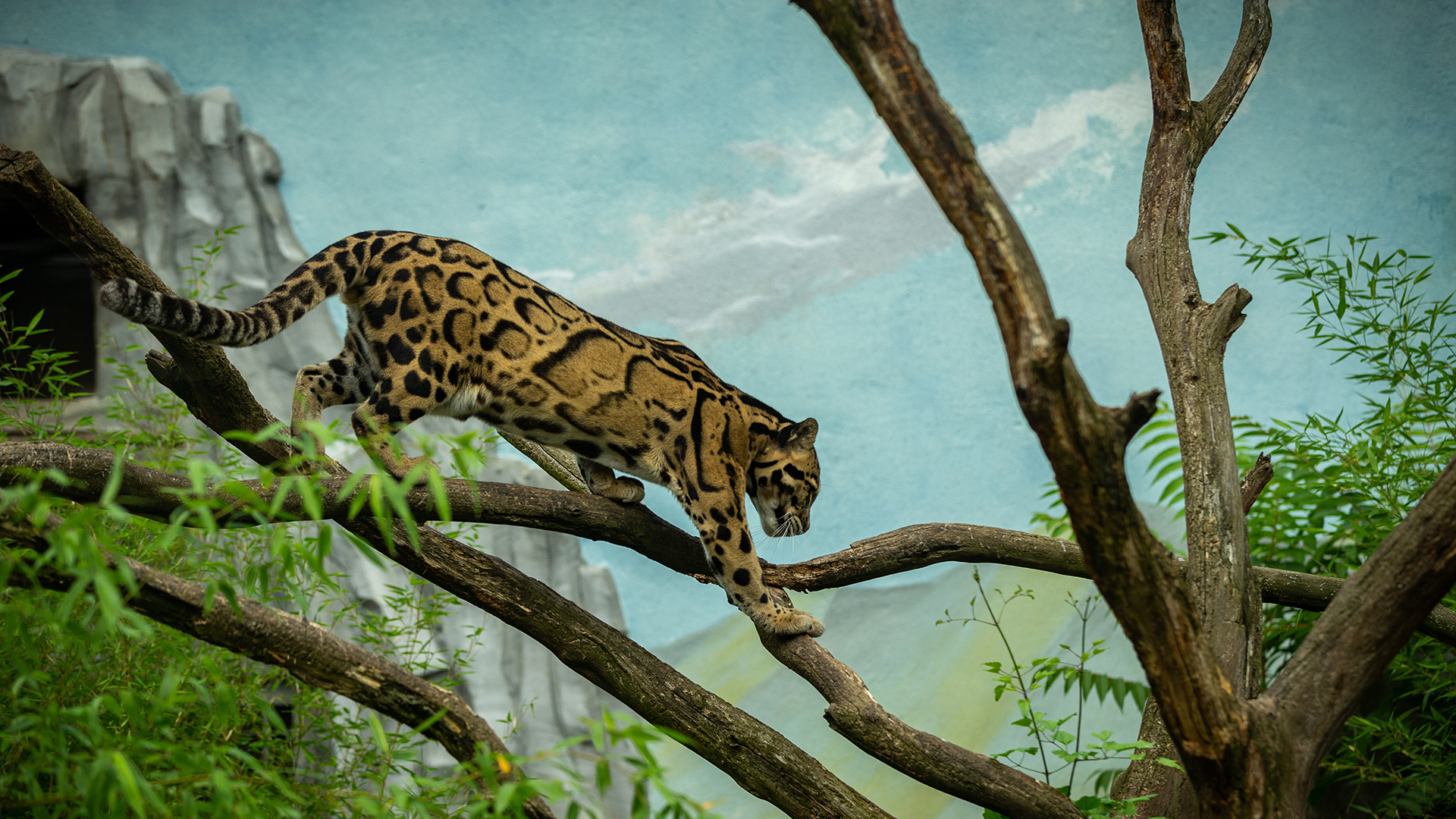
Cats are some of the most successful hunters on earth - their entire bodies are pure, predatorial engineering. From head to tail, every detail has a purpose; hypersensitive whiskers help them feel their space, while rotating ears catch sounds most animals can’t register. Even their tails are built-in steering systems for high-speed hunts. From dainty servals to mighty tigers, cats share the same blueprint, but the unique challenges of their habitats shape their individual hunting strategies.
2. Oceans
Within the oceans, predators rule with minds shaped by millions of years of survival. Sharks use sensory maps more refined than any GPS. Seals rely on memory and agility to beat the odds as both predator and prey. Dolphins strategize with communication that rivals the most intelligent creatures on Earth. In their world, they face shifting currents, dwindling prey and a changing planet, yet through instinct and remarkable cognitive abilities, they continue to thrive.
3. Jungles
Across the jungle, from canopy to floor, survival is a full-time job. From the smallest to the most powerful, each predator relies on instinct, experience and strategy to thrive. Crafty chimpanzees create tools to harvest termites, while the sly praying mantis uses her environment to enhance her ambush. A water mongoose uses its senses to home in on a meal, but the mysterious fossa has highly sensitive whiskers to navigate the treetops. In the jungle, survival relies on both skill and ingenuity.
4. Reefs
From urchins to turtles and from corals to sharks, the ocean’s reef systems sustain a myriad of life. Some residents seem alien, others seem benign, but all of them are equipped with special adaptations to thrive in their niche. Life on the reef is nothing short of theatrical and whether it’s camouflage, body shape or lightning-fast strikes, the reef’s predators are some of the most specialized hunters on the planet.
5. Savannas
As Africa’s iconic predators prowl the savannas, each masters its own survival strategy. Their tactics differ, but the same rules apply: assess, adapt, act. From lions stalking the great herds, to massive crocodiles waiting in ambush at river crossings, the savanna’s predators deploy unique solutions for the same challenge – surviving in a habitat that’s constantly changing. To master this landscape demands more than brawn - it’s often those with the keenest minds, who truly rule the plains.
6. Waterholes
Africa’s iconic ambush zones – waterholes - draw prey like magnets, while predators bristle with anticipation. As the dry season takes hold, predators prepare to benefit from the drought. Lions wait at waterholes, ready to ambush a target in the thirsty throng, crocodiles re-locate to the remaining pools to lie in wait for hapless victims and carnivorous birds collaborate, herding and harvesting trapped fish in shrinking pools. Their tactics differ, but the same rules apply; assess, adapt, act.
7. Reptiles
From Komodo Dragons to cryptic chameleons, reptiles thrive in almost every type of habitat on the planet. Using patient ambush, precise targeting and calculated strikes, they’re not mindless relics of an ancient past, but modern problem-solvers. Rattlesnakes use sound to warn prey, while crocodiles with specialized pincer-like jaws trap unsuspecting fish. They vary in size and strategy, but reptiles are all guided by the subtle cognitive skills that have shaped their survival through millennia.