History
The Secrets To Civilization
‘The Secrets To Civilization’ explores how cutting-edge science is changing the way we think about the ancient past.
‘The Secrets To Civilization’ explores how cutting-edge science is changing the way we think about the ancient past.
- Production Company
- Impossible Factual / Curiosity / otf studios
- Duration
- 3x60'
- Original Language
- English
- YOP
- 2021
- Definitions
- UHD, HD
- Content Type
- Series
- Ancient History
- Archaeology
Synopsis
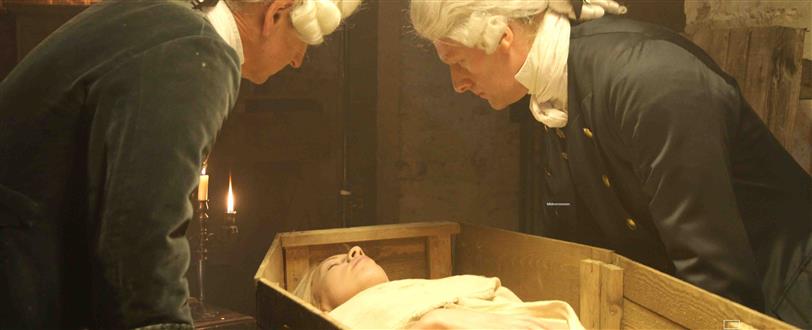
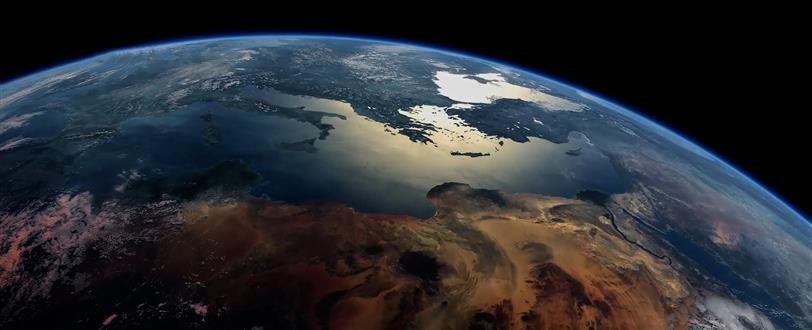
In 'The Secrets to Civilization' we explore how cutting-edge earth sciences are changing how we understand the ancient past, restoring the environment to its place as a key driver of human history. This ground-breaking series uses new science to get to the heart of what really drives the emergence of civilisations: how they thrive, and how they meet their downfall. Feeding from the recent explosion of new data about our planet’s own past, we set out to offer a completely fresh, eye-opening perspective on the ancient world that speaks directly to the present. It’s such a new area of study that it remains controversial with historians who prefer to interpret history as a political story driven entirely by human agency. Each episode explores the interaction of people, landscape and climate and how these forces shape human history. We’ll see how a changing planet can give civilisations a helping hand – or play a role in their extinction. This series is as much about us as it is about people of the past - because the biggest story of all is that humankind’s fortunes are, and always have been, deeply sensitive to the changing natural world around us. Throughout the series, top historians and archaeologists share with us how new collaborations with the scientific community is providing them with fresh insights on how phenomena such as climate change and disease have influenced the human journey. We’ll make the case that nature may have played a major part in some of the pivotal moments in history. We meet those who are on the front line, gathering evidence from ancient pollen, plankton, human DNA and the residues of ancient pollution locked in Arctic ice. From ancient Egypt to the fall of Rome, we use a battery of visual techniques and CGI for exquisite cut-scenes featuring some of the big characters whose lives coincide with the big swings of nature - and who have to deal with the consequences. And we frame our stories with CGI that recreates the ‘big picture’ – giving us a bird’s eye view of cities and landscapes of the past. Our Satellite views provide a view of what’s going on at a continental scale. We unpack three major shifts in world history: The collapse of Bronze Age civilisations over 3,000 years ago was a true end of an era and a massive backward step for humanity. It was also the historical context in which the stories of Exodus and the Trojan War were born. But it was followed by the phenomenon that we look at in our second episode: the inexorable rise of classical civilisation in the 1st Millennium BC, a zero-to-hero journey that culminated in the creation of the world’s first superpower, the Roman Empire. And finally in episode 3 we re-examine the collapse of Roman Empire, so often portrayed as a fall into decadence and decline while under pressure from waves of invading barbarians, but long overdue a radical rethink – because this is an era in which globalisation combined with changes to the natural environment that resulted in the first pandemics. By exploring these questions, we can find out the essential rules of what it takes to make or break a civilisation.
The Secrets To Civilization
1. The Bronze Age Catastrophe
In the last decade the search for data about the planet’s environmental history has raised questions about how climate change has influenced human civilizations in the past. We find out how the era of the Trojan War and the Exodus was beset by a rapidly cooling climate leading to drought, famine and the collapse of multiple civilizations.
2. Cities and Empire
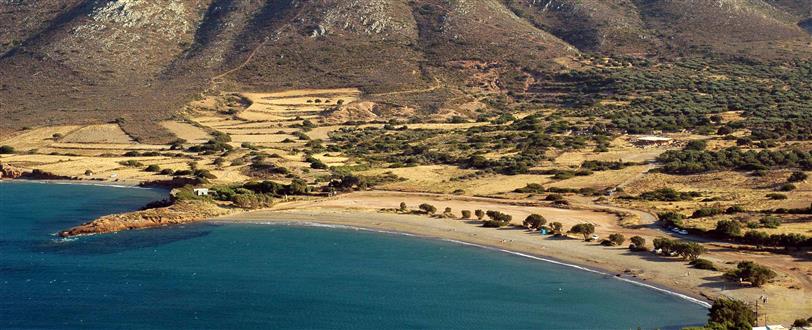
The 1st Millenium BCE in the Mediterranean is the birth of the modern world. We’ll explore the environmental conditions that made this possible, and how people working with new technologies took advantage of a favourable climate to create classical civilization – the network of cities all around the region that Rome united, by force, into a single world empire.
3. Empire and Epidemics
When Rome’s Empire was at its height in the 2nd Century CE, it was struck by the first in a series of devastating plagues – the first recorded pandemics in history. From this point on, Rome’s story is one of economic decline - and eventually of collapse. What can science tell us about how these events may be connected, and how did Rome’s Empire invite disaster?